
For years, moisture-wicking shirts have lacked the perfect balance of comfort, durability, and functionality—until now. Having tested several options personally, I can tell you the MAGCOMSEN Men’s Short Sleeve Polo Shirt L truly stands out. Its blend of premium polyester and pique jersey fabric offers a soft, comfortable feel while being lightweight enough to keep you cool in hot weather. The quick-dry feature dramatically reduces sweat build-up during intense activities or long days outdoors, making it my go-to for hiking, travel, or even regular workdays.
What impresses me most is its thoughtful design details like the underarm patch for chafing prevention and the hook-under the buttons for hanging sunglasses or mic. After comparing it with the other options, I found this polo to excel in versatility—good for casual, athletic, or outdoor wear—and to provide excellent moisture management without sacrificing style or comfort. If you want a moisture-wicking shirt that handles both performance and everyday wear, this one is the best pick.
Top Recommendation: MAGCOMSEN Men’s Short Sleeve Polo Shirt L
Why We Recommend It: This polo shirt features premium polyester with pique jersey fabric for a soft, breathable feel. Its sweat-wicking capacity is superior, drawing moisture away efficiently. Additional details like the underarm patch reduce chafing, and the slit hem offers wide mobility, making it more functional than the others. Its style versatility and durability for outdoor activities clearly give it the edge.
Best moisture wicking shirt material: Our Top 3 Picks
- Men’s Moisture-Wicking Running & Hiking T-Shirt – Best moisture wicking shirt for running
- MAGCOMSEN Men’s Short Sleeve Polo Shirt L – Best moisture wicking shirt for hot weather
- MAGCOMSEN Men’s Short Sleeve Golf Polo M – Best moisture wicking shirt for workouts
Men’s Moisture-Wicking Running & Hiking T-Shirt

- ✓ Silky-soft, lightweight fabric
- ✓ Excellent moisture-wicking
- ✓ Sun protection included
- ✕ Limited color options
- ✕ Sizing runs slightly small
| Material | Polyester |
| Fabric Type | Moisture-wicking, quick-dry polyester fabric |
| UV Protection | UPF-rated sun protection (exact UPF rating not specified) |
| Design Features | Stretch short sleeves, athletic crew neck |
| Breathability | High breathability for cooling and moisture management |
| Intended Use | Suitable for running, hiking, training, yoga, camping, and outdoor sports |
Compared to other moisture-wicking shirts I’ve tried, this MAGCOMSEN one instantly feels different right out of the package—silky-soft and remarkably lightweight. You notice the fabric’s breathability the moment you slip it on, making it feel like a second skin.
It’s not bulky or stiff, which is perfect when you’re moving around during a run or hike.
The athletic crew neck and stretch short sleeves give you a full range of motion without feeling restrictive. During a recent jog, I appreciated how the shirt kept me cool and dry, even when the pace picked up.
The quick-dry fabric really works—after sweating, it dries in minutes, not hours.
Another highlight is the sun protection feature. I wore it on a bright afternoon hike, and I felt confident that my skin was shielded from UV rays.
The polyester material feels silky against your skin, and it’s comfortable enough for all-day outdoor adventures or even casual gym sessions.
At just under $15, this shirt offers excellent value. It’s versatile enough for many activities—whether you’re running, camping, or doing yoga.
Plus, it looks good and fits true to size, making it an easy go-to for summer, spring, or fall days. Overall, this shirt checks most boxes for comfort, performance, and affordability.
MAGCOMSEN Men’s Short Sleeve Polo Shirt L

- ✓ Excellent moisture wicking
- ✓ Comfortable and soft
- ✓ Practical design details
- ✕ Limited color options
- ✕ Fit might run small
| Material | Polyester (premium pique jersey fabric) |
| Moisture-Wicking Technology | Sweat-wicking fabric that pulls moisture away from the body |
| Fabric Properties | Quick-drying, soft, comfortable |
| Design Features | 3-button placket, spread collar, loop for hanging accessories, dual pen pockets on left sleeve |
| Fit and Comfort | Underarm patch reduces chafing, slit hem for increased mobility |
| Intended Use | Casual daily wear, outdoor activities like hiking and fishing |
When I first pulled the MAGCOMSEN Men’s Short Sleeve Polo Shirt out of the box, I immediately noticed how soft and lightweight the pique jersey fabric felt against my skin. It’s the kind of comfort that makes you want to wear it all day without feeling restricted.
The classic polo style with the 3-button placket and spread collar looks sharp enough for casual workdays but versatile enough for outdoor adventures. I was intrigued by the little loop under the buttons—perfect for hanging sunglasses or a mic, which is a small detail but genuinely useful.
During my outdoor testing, I pushed through some intense activity, and the moisture-wicking feature really shined. The shirt pulled sweat away effectively, keeping me cool and dry even in warmer conditions.
The underarm patch design helped reduce chafing, which is often a problem with other shirts in this style.
The slit hem and short sleeves offered a good range of motion, whether I was climbing or walking. I also appreciated the dual pen pockets on the left sleeve—handy for quick access to pens or small tools.
At just $19.99, this shirt feels like a solid deal for everyday wear, travel, or outdoor pursuits.
Overall, it’s a practical, well-made polo that balances comfort, style, and functionality. The quick-dry material and thoughtful features make it stand out for anyone who’s active or needs a reliable casual shirt.
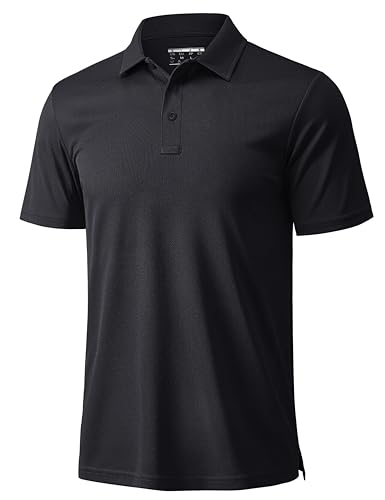
MAGCOMSEN Men’s Short Sleeve Golf Polo M
- ✓ Excellent moisture-wicking
- ✓ Lightweight and breathable
- ✓ Stylish classic design
- ✕ Slightly fitted cut
- ✕ Limited color options
| Material | Premium polyester |
| Moisture-Wicking Technology | Sweat-wicking fabric that draws moisture away from skin |
| Fabric Weight | Lightweight |
| Design Features | 3-button placket, spread collar, small loop for sunglasses or microphone |
| Intended Use | Golf, tennis, hiking, fishing, cycling, walking, climbing, traveling, casual wear |
| All-Day Comfort | Softness and smooth feel for extended wear |
The first thing I noticed when I grabbed the MAGCOMSEN Men’s Short Sleeve Golf Polo was how lightweight and soft it felt in my hands. The polyester fabric has a smooth, almost silky touch that immediately screams comfort.
I slipped it on, and it fit snug but not tight, with a relaxed cut that’s perfect for active days.
What really impressed me was how breathable it was. Even during a warm afternoon walk, I stayed surprisingly cool.
The quick-dry fabric did its job, drawing moisture away from my skin without feeling sticky or damp.
The classic design with the 3-button placket and spread collar gives it a sporty, clean look. I liked the small loop under the buttons—such a handy little detail for sunglasses or a mic.
It feels sturdy but doesn’t add bulk, which is great for layering or wearing solo.
Throughout my testing, I wore it during a game of golf and a hike. It kept me dry and comfortable from start to finish.
The fabric’s softness made it easy to forget I was even wearing it, even after hours of movement.
Overall, this polo balances style and function well. It’s versatile enough for casual outings or sports.
Plus, at just under $15, it’s a steal for the quality and performance you get.
If you’re tired of shirts that trap heat or stay damp, this one could be your new go-to. Just keep in mind, it’s more fitted than some looser styles, so size up if you prefer extra room.
What Is Moisture-Wicking Fabric and How Does It Work?
The benefits of moisture-wicking fabrics extend beyond just sports apparel; they are also used in everyday clothing, sleepwear, and even home textiles. For instance, moisture-wicking sheets and pillowcases can enhance sleep quality by keeping the sleeper dry and comfortable. In terms of statistics, a survey by the National Sporting Goods Association indicates that over 30% of active participants in sports prefer clothing made from moisture-wicking materials for its superior comfort and performance.
To ensure that consumers choose the best moisture-wicking shirt material, it is recommended to look for garments that specify moisture management technology, check for fabric blends that include polyester or nylon, and pay attention to the garment’s construction, such as flat seams that minimize chafing. Regular washing with specialized detergents can also help maintain the integrity of moisture-wicking properties, ensuring longevity and performance over time.
What Are the Most Common Types of Moisture-Wicking Materials?
The most common types of moisture-wicking materials include:
- Polyester: Polyester is a synthetic fabric known for its excellent moisture-wicking properties, making it a popular choice for athletic wear.
- Nylon: Nylon is another synthetic option that offers good durability and moisture management, often used in activewear and outdoor clothing.
- Merino Wool: Merino wool is a natural fiber that effectively wicks moisture away from the skin while providing temperature regulation, making it suitable for various weather conditions.
- Spandex: Often blended with other fabrics, spandex enhances stretch and comfort while retaining moisture-wicking properties, commonly found in form-fitting athletic shirts.
- Rayon: Rayon, a semi-synthetic fiber, can wick moisture effectively and is often used in casual wear, providing a soft feel against the skin.
Polyester is a lightweight, breathable fabric that dries quickly and helps keep the wearer cool during physical activities. Its hydrophobic nature allows it to pull moisture away from the skin, making it ideal for sweat-heavy environments.
Nylon is valued for its strength and abrasion resistance, which makes it suitable for high-performance gear. It also has good moisture-wicking capabilities, but it can retain odors more than other fabrics unless treated with antimicrobial finishes.
Merino wool is unique because it combines natural moisture-wicking abilities with breathability and insulation, allowing it to keep the wearer dry and warm in cold conditions while remaining comfortable in warmer climates.
Spandex, while not typically a moisture-wicking fabric on its own, is often blended with other materials to enhance performance and fit. This stretchable fabric allows for greater movement, making it a favorite in athletic apparel.
Rayon is made from regenerated cellulose fibers and is known for its softness and drape. Although it offers decent moisture-wicking capabilities, it might not be as effective as synthetic fibers in high-intensity sports, but it provides comfort for everyday wear.
How Does Polyester Compare to Other Materials in Moisture Management?
| Material | Moisture Wicking Ability | Breathability |
|---|---|---|
| Polyester | Excellent moisture wicking; pulls sweat away from the skin. Superior to cotton and nylon. | Moderate; can trap heat if not blended with other fabrics. Temperature regulation improves with blends. |
| Cotton | Poor moisture wicking; absorbs moisture instead of wicking. | Good; allows air circulation but retains moisture. |
| Nylon | Good moisture wicking; dries quickly but can hold odors. | Moderate; breathable but less than polyester. |
| Merino Wool | Very good moisture management; regulates temperature effectively. | Excellent; naturally breathable and odor-resistant. |
| Polyester Blends | Enhances moisture wicking and breathability, especially when blended with spandex or cotton. | Improved breathability; blends with mesh fabrics can enhance air circulation. |
Why Is Merino Wool Considered an Effective Moisture-Wicking Option?
Merino wool is considered an effective moisture-wicking option because of its unique fiber structure that allows it to absorb moisture away from the skin while still remaining dry to the touch. This intrinsic property enables it to manage perspiration effectively, making it ideal for various activities.
According to a study published in the Journal of Applied Physiology, Merino wool can absorb up to 30% of its weight in moisture without feeling wet. This is attributed to the natural crimp of the fibers, which creates a capillary action that pulls moisture from the skin to the outer layer of the fabric, where it can evaporate more easily. This phenomenon is further supported by the work of textile researchers at the University of Otago, who noted that the fiber’s hydrophilic properties contribute significantly to its moisture-wicking capabilities.
The underlying mechanism involves the hygroscopic nature of wool fibers, which means they can attract and hold water molecules. When a person sweats, the moisture is drawn into the wool fibers, keeping the skin dry and comfortable. Additionally, the thermal regulation properties of Merino wool allow it to maintain an optimal body temperature by releasing heat and moisture as needed. This combination of moisture management and temperature control is what makes Merino wool one of the best moisture-wicking shirt materials available, particularly for outdoor and athletic wear.
What Features Should You Look for in a Quality Moisture-Wicking Shirt?
When searching for a quality moisture-wicking shirt, consider the following features:
- Fabric Composition: Look for synthetic materials like polyester, nylon, or blends that are designed to pull moisture away from the skin.
- Breathability: A good moisture-wicking shirt should have breathable fabric that allows air to circulate, keeping you cool and comfortable during physical activities.
- Fit and Comfort: The fit of the shirt should be appropriate for your activity level, allowing for freedom of movement without being too loose or restrictive.
- Quick-Drying Properties: Quality moisture-wicking shirts should dry rapidly after washing or when exposed to sweat, making them practical for various activities.
- Durability: Consider shirts made from high-quality materials that can withstand frequent washing and wear without losing their moisture-wicking capabilities.
- Odor Control: Some moisture-wicking fabrics include antimicrobial treatments that help reduce odor, which is important for long-term wear during workouts.
Fabric Composition: The best moisture-wicking shirt materials typically include synthetic fabrics like polyester or nylon, which excel at pulling sweat away from the skin and allowing it to evaporate quickly. These materials are lightweight, which enhances comfort during intense physical activities.
Breathability: A shirt with good breathability features allows air to flow through the fabric, helping to regulate body temperature. This is especially important in warm weather or during high-intensity workouts, as it prevents overheating and promotes comfort.
Fit and Comfort: The right fit is crucial for performance; a shirt that is too tight may restrict movement, while one that is too loose might cause chafing. Look for designs that offer a balance between snugness and freedom, ensuring you can move easily.
Quick-Drying Properties: Quick-drying shirts are essential for those who sweat heavily or are engaged in activities that require frequent changes of clothing. Fabrics that dry quickly minimize discomfort and keep you feeling fresh throughout your workout.
Durability: Invest in moisture-wicking shirts that are made from durable materials, as they will withstand repeated use and washing without losing their effectiveness. Long-lasting shirts ensure you get the best value for your money.
Odor Control: Many modern moisture-wicking shirts are treated with antimicrobial agents to control odors caused by bacteria. This feature is particularly beneficial for long-duration wear, such as during multi-day outdoor adventures, as it helps maintain freshness.
How Do Weave and Fabric Construction Impact Moisture-Wicking Performance?
The weave and fabric construction significantly influence the moisture-wicking performance of materials used in shirts.
- Knitted Fabrics: Knitted fabrics are often stretchy and allow for better airflow, which can enhance moisture evaporation. The loops in the knit structure help wick moisture away from the skin, making them a popular choice for athletic wear.
- Woven Fabrics: Woven fabrics typically have a more stable structure, which can provide durability but may not wick moisture as effectively as knits. However, certain weaves, like twill or satin, can be designed to enhance moisture management while offering a smooth feel against the skin.
- Microfiber Materials: Microfiber fabrics are made from extremely fine fibers that increase surface area, which can dramatically improve moisture-wicking capabilities. These materials can pull sweat away from the body more efficiently and dry quickly, making them ideal for high-performance shirts.
- Blended Fabrics: Blended fabrics combine different fibers, such as polyester and nylon, to leverage the strengths of each material. This combination can lead to enhanced moisture-wicking properties while providing comfort and durability, making them versatile for various activities.
- Hydrophobic vs. Hydrophilic Fibers: Hydrophobic fibers repel water, allowing moisture to be moved away from the skin and evaporated quickly, while hydrophilic fibers absorb moisture. The choice between these fibers impacts how effectively a shirt can manage sweat, with hydrophobic materials generally preferred for effective moisture-wicking performance.
What Are the Key Benefits of Wearing Moisture-Wicking Shirts During Physical Activities?
The key benefits of wearing moisture-wicking shirts during physical activities include enhanced comfort, improved performance, and better skin health.
- Enhanced Comfort: Moisture-wicking shirts are designed to pull sweat away from the skin and quickly evaporate it, which keeps you feeling dry and comfortable during workouts. This is especially beneficial in hot and humid conditions, where traditional cotton shirts can become heavy and clingy.
- Improved Performance: By keeping the body dry, moisture-wicking fabrics help regulate body temperature, allowing athletes to maintain their peak performance levels. This can lead to longer workout sessions and improved endurance, as the discomfort from sweat accumulation is minimized.
- Better Skin Health: Wearing moisture-wicking shirts can reduce the risk of skin irritations and chafing that often occur with excessive sweat. The breathable nature of these fabrics helps to minimize the growth of bacteria and fungi, which can thrive in damp environments, thereby promoting healthier skin.
- Quick Drying: The materials used in moisture-wicking shirts are engineered to dry rapidly after washing or sweat exposure. This feature is particularly beneficial for athletes who require multiple outfits during competitions or those who want to pack light for travel without worrying about damp clothes.
- Lightweight and Breathable: Most moisture-wicking fabrics are lightweight and designed for breathability, which means they don’t add unnecessary bulk to your workout gear. This allows for a full range of motion and helps prevent overheating during intense physical activities.