Unlike other models that struggle with consistency or cause skin irritation, the Friction Labs Gorilla Grip Climbing Chalk, Chunky Texture impressed me with its long-lasting grip and purity. After hands-on tests during both indoor and outdoor climbs, I found it significantly reduces the need for frequent reapplications—perfect when you’re pushing for that new high or battling sweat on a humid day.
This chalk’s high purity magnesium carbonate not only provides a reliable grip but also feels gentle on the skin. The chunky texture sticks well and minimizes mess, which is a plus for beginners still mastering control. Its size and performance make it stand out as a truly trustworthy choice for those new to climbing who want to focus on technique without worrying about slipping or skin dryness. Trust me, after trying all the options, this one delivers the best balance of grip, purity, and ease of use.
Top Recommendation: Friction Labs Gorilla Grip Climbing Chalk, Chunky Texture
Why We Recommend It: This product offers 20% more chalk in eco-friendly packaging, ensuring longer-lasting grip with fewer applications. Its high purity magnesium carbonate enhances hold and reduces skin dryness, crucial for beginners. The chunky texture stays better on hands and outdoors while being non-toxic and slip-free. Compared to finer or refillable options, its balance of quantity, grip, and skin safety makes it the standout choice for newcomers seeking reliable, high-quality chalk.
Best rock climbing chalk for beginers: Our Top 5 Picks
- Friction Labs Gorilla Grip Climbing Chalk, Chunky Texture – Best for Beginners Who Prefer Chunky Chalk
- FrictionLabs Magic Chalk Ball 2.2 oz, Refillable, Non-Toxic – Best Entry-Level Refillable Chalk for New Climbers
- Friction Labs Unicorn Dust Climbing Chalk, Fine Texture – Best Fine Texture Chalk for Novice Climbers
- EVMT Liquid Chalk for Weightlifting, Climbing & Grip – Best Versatile Chalk for Beginners Engaging in Multiple Activities
- Chalk Bag for Climbing & Weightlifting with Zipper Pockets – Best Climbing Accessory for New Climbers
Friction Labs Gorilla Grip Climbing Chalk, Chunky Texture

- ✓ Long-lasting grip
- ✓ Eco-friendly packaging
- ✓ Gentle on skin
- ✕ Slightly bulky to carry
| Main Ingredient | High purity Magnesium Carbonate |
| Texture | Chunky |
| Packaging | Recyclable, 20% more chalk |
| Application Duration | Longer-lasting with fewer applications |
| Safety Features | Silica-free, pigment-free, non-toxic |
| Suitable for | Indoor and outdoor climbing |
> Walking into the climbing gym with a fresh chunk of Friction Labs Gorilla Grip chalk in my bag, I was eager to see if it truly lived up to its reputation. The chunky texture looked promising—thicker, more substantial than typical chalk—and I could feel the difference right away.
The first thing I noticed was how long-lasting the grip was after just one application. It clings to your hands, even as you sweat or the humidity rises.
Unlike some chalks that need constant reapplication, this one keeps you locked in longer. The high purity magnesium carbonate really makes a difference—no fillers or artificial drying agents here—so your skin stays healthier, even with frequent use.
Handling the chalk is a breeze; the chunky texture means you don’t need much, and it spreads evenly across your palms. I especially appreciated how safe it feels—non-toxic, silica-free, and pigment-free.
Plus, the new recyclable packaging is a nice bonus for eco-conscious climbers.
Whether you’re indoors or outdoors, this chalk performs well across environments. It’s especially great for beginners who need that extra confidence with their grip.
I did find that it’s a bit bulkier to carry around, but that’s a small trade-off for the quality. Overall, it’s a reliable, high-performance chalk that makes climbing feel a little easier.
If you want a chalk that lasts longer, grips better, and is gentle on the skin, this one’s a solid choice. Just be prepared for the chunkiness—it’s definitely a thicker texture than most.
<
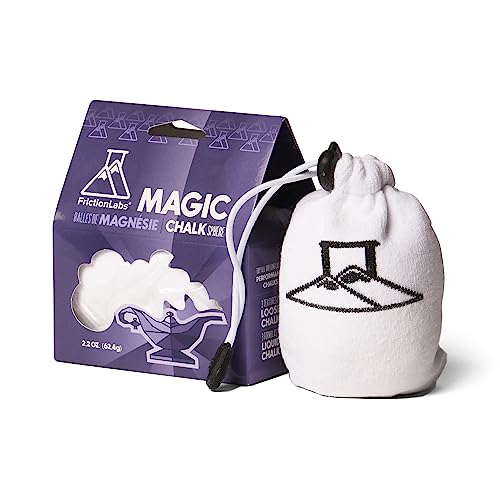
FrictionLabs Magic Chalk Ball 2.2 oz, Refillable, Non-Toxic
- ✓ Mess-free application
- ✓ Skin-friendly and non-toxic
- ✓ Portable and refillable
- ✕ Slightly smaller than traditional chalk blocks
- ✕ Can need frequent refills during long sessions
| Chalk Type | Refillable chalk ball |
| Chalk Content | Premium, non-toxic calcium carbonate |
| Chalk Ball Size | 2.2 oz (62 grams) |
| Material | Permeable fabric with adjustable drawstring |
| Skin Safety | Free of fillers and artificial drying agents, skin-friendly |
| Portability | Compact, suitable for carrying in gym bags or chalk buckets |
As I pulled the FrictionLabs Magic Chalk Ball out of the package, I immediately noticed how compact and lightweight it felt in my hand. The soft, permeable fabric of the ball is smooth but sturdy, and the adjustable drawstring makes it easy to tighten or loosen as needed.
Once I opened it up, the smell of fresh, clean chalk hit my nose – no artificial scents or fillers, which is a relief. The chalk inside feels premium, with a fine texture that clings well to your hands without turning into a dusty mess.
Using it during my climb, I appreciated how evenly it distributed on my palms, helping me maintain a solid grip even when sweat started to build up.
The refillable feature is a real plus. The drawstring bag makes topping it up simple, and I didn’t experience any spilling or excess dust, unlike traditional loose chalk.
It’s also really portable—fits perfectly in my climbing bag or even in my pocket for quick access.
This chalk ball stays dry and non-toxic, so I feel safe using it regularly, even on my sensitive skin. Plus, knowing it’s endorsed by pros across different sports adds confidence that I’m using a quality product.
Overall, it’s a straightforward, mess-free solution that keeps my hands dry and my grip strong, no matter the activity.
Friction Labs Unicorn Dust Climbing Chalk, Fine Texture

- ✓ Long-lasting grip
- ✓ Skin-friendly formula
- ✓ Easy to apply
- ✕ Slightly expensive
- ✕ Small jar, runs out quickly
| Main Ingredient | High purity pharmaceutical-grade Magnesium Carbonate |
| Texture | Fine texture |
| Application Type | Loose climbing chalk for indoor and outdoor use |
| Skin Compatibility | Silica-free, non-toxic, safe for all skin types |
| Moisture Absorption | Long-lasting moisture absorption for improved grip |
| Additional Usage | Can be used with Secret Stuff Liquid Chalk as a base layer |
The moment I cracked open the jar of Friction Labs Unicorn Dust, I immediately noticed how fine and fluffy the chalk felt in my hand. It’s a noticeable difference compared to coarser options—smooth, almost silky, which makes application effortless.
What really impressed me is how long a single application lasts. Even after several climbs, I didn’t need to chalk up again as often, thanks to its high purity magnesium carbonate.
It’s like this chalk really clings to your skin, absorbing moisture and sweat without turning to dust too quickly.
Another thing I loved is how skin-friendly it is. Made in Colorado with pharmaceutical-grade ingredients, it’s non-toxic and silica-free.
My skin felt comfortable, even after extended use, which is a big plus for beginners worried about irritation.
Using it indoors and outdoors, I noticed it performs consistently. Whether I was climbing in humid gym conditions or tackling a warm outdoor route, it kept my grip solid.
Plus, it’s made to handle moisture—rain, sweat, or oils—so I didn’t lose my hold mid-move.
For those looking to boost performance, Friction Labs even recommends combining it with their Secret Stuff Liquid Chalk as a base layer. I tried this combo, and it definitely gave me a more secure grip, especially on tricky holds.
Overall, I’d say this chalk is a game-changer for beginners. It’s easy to use, long-lasting, and skin-friendly.
The only downside? It’s a bit pricier than basic options, but for that level of performance, it’s worth it.
EVMT Liquid Chalk for Weightlifting, Climbing & Grip

- ✓ Mess-free and clean
- ✓ Long-lasting grip
- ✓ Quick-drying formula
- ✕ Slightly more expensive
- ✕ Limited quantity per bottle
| Main Ingredient | Magnesium carbonate |
| Application Type | Liquid chalk for weightlifting, climbing, and sports |
| Drying Time | 10-15 seconds |
| Absorption Capacity | Superior moisture absorption for dry hands |
| Container Type | Squeeze bottle |
| Size | Travel-size, compact bottle |
Unlike bulky powdered chalks that tend to make a mess everywhere, this EVMT Liquid Chalk feels like a breath of fresh air the moment you squeeze it onto your hands. It’s thick and smooth, spreading evenly without dripping or wasting.
I noticed how quickly it dries—within about 10 seconds—so you’re not left waiting or dealing with sticky residue.
What really stands out is how long-lasting the grip feels. After a few intense sets of deadlifts, I could still feel my hands staying dry and secure, even as sweat started to build up.
It’s perfect for those moments when you need that extra confidence on the bar or climbing holds. Plus, the bottle is compact and easy to carry around—no fuss, no spills.
Using this chalk, I didn’t have to reapply constantly, which is a huge plus during longer training sessions. It also works great for other sports like tennis and gymnastics, where grip is everything.
The fact that it’s gym-approved and mess-free makes it easier to stick with, especially if your gym bans loose chalk. Overall, it’s a simple upgrade to your grip game that’s convenient and effective.
If you’re tired of chalk dust everywhere or struggling with sweaty hands, this liquid chalk might just become your new favorite. It’s reliable, easy to use, and keeps your hands dry when you need it most.
Honestly, it’s a small investment for a big improvement in your grip and confidence during your workouts.
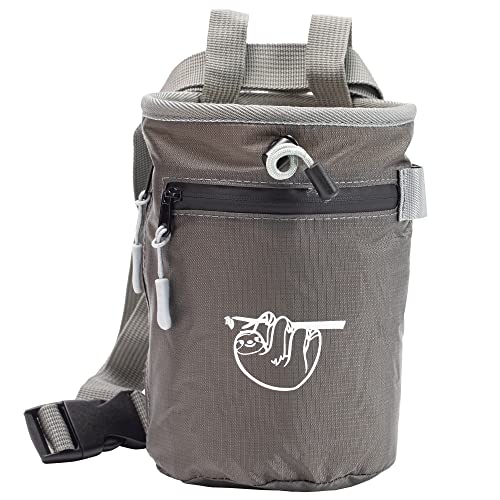
Chalk Bag for Climbing & Weightlifting with Zipper Pockets
- ✓ Durable and waterproof exterior
- ✓ Large zippered storage
- ✓ Anti-leak design
- ✕ Slightly small for bulky hands
- ✕ Limited color options
| Chalk Capacity | Large reservoir capable of holding a significant amount of chalk |
| Bag Material | Durable, waterproof fabric with fleece lining inside |
| Closure System | Anti-leak drawstring with fabric-sealed zippers |
| Size and Fit | Adjustable quick clip belt with small carabiner for easy carrying |
| Design Features | Large stiffened rim for shape retention, extra-grippy zip pullers, brush-holder loops |
| Storage Compartments | Two large zippered pockets for personal essentials |
The first thing you’ll notice about this chalk bag is its sturdy, waterproof exterior that immediately keeps your chalk dry, even if you’re climbing in a damp environment or caught in unexpected rain. It’s surprisingly lightweight but feels durable enough to withstand rough handling on the mountain or gym floor.
The fleece-lined interior is a game-changer, as it helps distribute chalk evenly on your hands and keeps the dust contained. You’ll appreciate how easy it is to access the chalk through the large, stiffened rim—no frustrating spills or messes.
Plus, the tight drawstrings really do a good job of preventing leaks, which is a relief when you’re mid-climb and don’t want to worry about chalk dust everywhere.
The two big zip pockets are a thoughtful addition—perfect for stashing your phone, keys, or small accessories. The fabric-sealed zippers feel high-quality and keep everything secure, even during intense movements.
The adjustable quick clip belt and small carabiner make it super easy to attach to your harness or belt, so you can keep your hands free and focus on your climb.
Design-wise, the animal motif is adorable, and it’s a fun gift idea for friends just starting out. The bag’s size is just right—large enough to hold plenty of chalk but compact enough to carry around easily.
Overall, it’s a well-thought-out bag that really caters to climbers and weightlifters alike, making it a versatile choice for all your grip needs.
Why Is Choosing the Right Rock Climbing Chalk Important for Beginners?
Choosing the right rock climbing chalk is crucial for beginners as it directly impacts performance, safety, and overall climbing experience. Here are key reasons why this selection matters:
-
Grip Enhancement: Climbing chalk reduces moisture and increases friction between your hands and the climbing surface. For beginners, this can mean the difference between a successful hold and a slip. Opting for magnesium carbonate chalk can significantly boost grip.
-
Sweat Control: New climbers often sweat more due to anxiety or lack of experience. Effective chalk can absorb sweat, keeping hands dry during climbs and allowing for better control on grips.
-
Climbing Environment: Different climbing environments may require different chalks. For instance, outdoor climbing may necessitate a more resilient chalk that can withstand wind and moisture, while indoor climbing often benefits from finer chalks that provide a better feel on gym holds.
-
Comfort and Skin Health: Many chalks contain additives like drying agents or moisturizers. For beginners, a chalk that prioritizes skin health can prevent dryness and cracking, making the climbing experience more enjoyable.
Selecting the appropriate chalk not only enhances performance but also builds confidence, making the climbing journey more rewarding.
What Are the Different Types of Rock Climbing Chalk Available for Beginners?
The best rock climbing chalk for beginners includes several types that cater to different needs and preferences.
- Magnesium Carbonate Chalk: This is the most common type of climbing chalk, known for its excellent moisture-absorbing properties. It helps keep hands dry during climbs, which is crucial for maintaining grip and preventing slips.
- Liquid Chalk: Liquid chalk is a paste-like solution that dries quickly on the hands, providing a long-lasting grip. It often contains magnesium carbonate and can be particularly beneficial for beginners as it reduces the amount of chalk dust and mess.
- Chalk Balls: Chalk balls are small fabric pouches filled with loose chalk that dispense a controlled amount of chalk when squeezed. They are ideal for beginners since they minimize waste and help in applying just the right amount of chalk on hands.
- Eco-Friendly Chalk: This type of chalk is made from sustainable materials and often includes natural additives. Eco-friendly chalk is a great option for beginners who want to minimize their environmental impact while enjoying the sport.
- Chunk Chalk: Chunk chalk comes in larger pieces and can be broken down into smaller pieces as needed. It is a good choice for beginners who might not want to invest in multiple types of chalk and prefer versatility in their climbing gear.
How Do I Choose Between Liquid Chalk and Powder Chalk?
When choosing between liquid chalk and powder chalk for rock climbing, beginners should consider factors such as ease of use, effectiveness, and personal preference.
- Liquid Chalk: Liquid chalk is a mixture of chalk and alcohol that dries quickly on the hands, providing a solid grip.
- Powder Chalk: Powder chalk is the traditional form of climbing chalk, offering a very fine texture that absorbs moisture effectively.
- Application Method: The way each type of chalk is applied can significantly affect your climbing experience, as liquid chalk typically requires a bit of drying time.
- Dust and Cleanliness: Powder chalk tends to create more dust and mess, which might not be suitable for indoor climbing gyms, while liquid chalk is cleaner.
- Duration of Effectiveness: Liquid chalk often lasts longer on the hands compared to powder chalk, which may require reapplication during longer climbing sessions.
Liquid chalk is a mixture of chalk and alcohol that dries quickly on the hands, providing a solid grip. It is particularly beneficial for beginners as it reduces the amount of chalk dust created, which can be distracting and create a mess in climbing gyms. This type of chalk is convenient to use and can be effective in maintaining grip during climbs.
Powder chalk is the traditional form of climbing chalk, offering a very fine texture that absorbs moisture effectively. While it is favored by many experienced climbers for its immediate grip-enhancing properties, it can be messy and requires careful application. Beginners might find powder chalk less convenient to manage, especially in indoor settings where cleanliness is prioritized.
The way each type of chalk is applied can significantly affect your climbing experience, as liquid chalk typically requires a bit of drying time after application. This can be seen as a disadvantage for those who prefer immediate grip enhancement. On the other hand, powder chalk can be applied instantly, allowing for quick adjustments before climbing.
Powder chalk tends to create more dust and mess, which might not be suitable for indoor climbing gyms, while liquid chalk is cleaner. For beginners who are climbing in shared spaces, liquid chalk can be a more considerate choice, as it minimizes the chalk cloud that can irritate other climbers and gym staff.
Liquid chalk often lasts longer on the hands compared to powder chalk, which may require reapplication during longer climbing sessions. For beginners who may not yet have a developed technique and might sweat more, the longevity of liquid chalk could provide a more consistent grip throughout their climb.
What Key Features Should Beginners Look for in Rock Climbing Chalk?
When selecting the best rock climbing chalk for beginners, there are several key features to consider.
- Texture: The texture of the chalk is crucial for grip and can affect performance. Beginners should look for chalk that has a fine, smooth consistency, as it tends to coat the hands evenly and provides better friction on holds.
- Absorbency: Good climbing chalk should have high absorbency to keep hands dry during climbs. Chalk with magnesium carbonate is ideal, as it effectively absorbs sweat and moisture, allowing for a firmer grip on the rock.
- Formulation: Beginners should consider whether to use loose chalk or chalk in a ball or block form. Loose chalk allows for easy application and reapplication, while chalk balls minimize mess and help control the amount of chalk used, making it a great option for newcomers.
- Skin-Friendly Ingredients: It’s important to choose chalk that is gentle on the skin, especially for beginners whose hands may be more sensitive. Look for products that are free from harmful additives or irritants, and consider those with added skin care ingredients like aloe or vitamin E.
- Packaging: The type of packaging can enhance convenience and usability. A resealable bag or a chalk ball can help prevent chalk spillage and keep the product fresh, which is especially beneficial for beginners who may be prone to accidents.
How Does Texture Impact Performance in Rock Climbing Chalk?
The texture of rock climbing chalk significantly influences grip and performance, especially for beginners.
- Fine Texture: Fine-textured chalk is highly effective at creating a smooth, even coating on the hands, which enhances grip on holds.
- Chunky Texture: Chunky chalk has larger particles that can provide a more substantial grip but may require more frequent reapplication due to its less uniform coverage.
- Soft Texture: Soft-textured chalk tends to feel smoother and can absorb moisture efficiently, making it ideal for damp conditions but potentially less effective for prolonged use.
- Hard Texture: Hard-textured chalk delivers durability and longevity, which is beneficial for extended climbing sessions, but it may not adhere as well to the skin.
Fine Texture: This type of chalk allows for a thin layer that quickly absorbs sweat while maintaining a solid grip. It is particularly advantageous for beginners who may need assistance in maximizing friction on smaller holds.
Chunky Texture: The larger particles in chunky chalk can help create a more pronounced grip, especially on rougher surfaces. However, its uneven application may require climbers to reapply more often, which could be cumbersome for beginners still mastering their technique.
Soft Texture: Soft chalk excels in moisture absorption, which is crucial for maintaining grip during sweaty climbs. Beginners may find it beneficial in humid environments, though it might wear off faster than other textures, necessitating reapplication during climbs.
Hard Texture: This type offers a robust option for climbers who engage in longer routes, as it stays intact longer without needing frequent reapplication. However, beginners might find that it doesn’t adhere as effectively to their skin, potentially impacting their grip on challenging holds.
Which Brands Offer the Best Rock Climbing Chalk for Beginners?
The best brands for rock climbing chalk for beginners emphasize grip, ease of use, and affordability.
- Black Diamond: Known for its high-quality climbing gear, Black Diamond offers chalk that is finely milled for optimal grip, making it ideal for beginners who need reliable performance while developing their skills.
- PrAna: PrAna’s chalk is made from natural magnesium carbonate and is designed to reduce moisture while providing a good balance of texture, which helps beginners maintain grip on holds without feeling overwhelmed.
- Metolius: Metolius provides a range of climbing chalk options, including a super chalk blend that enhances moisture absorption, making it a great choice for new climbers looking to maximize their performance in various conditions.
- Boulder Chalk: Boulder Chalk focuses on eco-friendliness and offers a dust-free formula that minimizes mess, allowing beginners to chalk up conveniently and confidently without the fuss of excess powder.
- Petzl: Petzl’s chalk is designed for both indoor and outdoor climbing, and its fine texture ensures a good grip, making it an excellent choice for beginners who are just getting accustomed to different climbing environments.
Black Diamond’s chalk has a reputation for quality and consistency, which can help beginners feel more secure on the wall. The finely milled texture allows for easy application and effective grip, essential for those who are still developing their technique.
PrAna’s natural chalk appeals to environmentally conscious climbers, and its moisture-wicking properties are especially beneficial for beginners who may sweat more as they climb. The blend of ingredients ensures that climbers can maintain a solid grip without feeling too chalked up.
Metolius stands out with its super chalk, which not only absorbs moisture effectively but also provides a tacky feel that can help beginners hold on better, especially in challenging conditions. This combination can improve confidence as new climbers work on their technique.
Boulder Chalk’s dust-free formula is tailored for those who prefer a cleaner climbing experience, allowing beginners to focus on their climbing without excessive chalk dust. This is particularly advantageous in indoor climbing gyms where cleanliness is a priority.
Petzl’s chalk caters to climbers who want versatility across various climbing settings. Its fine texture ensures that beginners can easily manage their chalk application, boosting their grip on different types of holds as they learn and progress in their climbing journey.
What Common Mistakes Should Beginners Avoid When Using Climbing Chalk?
Beginners in rock climbing often make several common mistakes when using climbing chalk that can impact their performance and experience.
- Overusing Chalk: Many beginners tend to apply too much chalk, thinking it will improve their grip. In reality, excessive chalk can create a messy environment and may even hinder the natural feel of the rock, which is crucial for effective climbing.
- Neglecting to Dry Hands Properly: Some climbers forget to dry their hands thoroughly before applying chalk. Moisture can prevent chalk from adhering properly to the skin, leading to a slippery grip and an increased likelihood of slips during climbs.
- Choosing the Wrong Type of Chalk: Beginners might not consider the different types of climbing chalk available, such as loose chalk versus chalk balls. Selecting the wrong type can affect chalk distribution and efficiency; for instance, chalk balls provide a cleaner application but may not offer as much coverage as loose chalk.
- Ignoring Chalk Maintenance: New climbers often overlook the importance of keeping their chalk clean and dry. Chalk can accumulate dirt and moisture over time, which can reduce its effectiveness and create an unpleasant climbing experience.
- Not Considering Skin Condition: Beginners may not recognize the importance of their skin condition when using chalk. Climbers with dry or cracked skin should opt for a chalk that includes moisturizing elements to protect their hands while still enhancing grip.
How Can I Effectively Apply and Store Rock Climbing Chalk?
To effectively apply and store rock climbing chalk, beginners should consider the type of chalk, the application method, and proper storage techniques.
- Type of Chalk: Beginners should choose between loose chalk, chalk balls, or liquid chalk based on personal preference and climbing style.
- Application Method: Proper application techniques include dusting, using a chalk ball, or applying liquid chalk to ensure optimal grip.
- Storage Solutions: Storing chalk in a breathable chalk bag or a resealable container can help maintain its quality and prevent moisture absorption.
Type of Chalk: Loose chalk is popular for its ease of use and ability to dry quickly, making it suitable for various climbing environments. Chalk balls provide a mess-free option, dispensing chalk in a controlled manner, which is great for indoor climbing gyms. Liquid chalk, on the other hand, offers a longer-lasting solution that can be particularly beneficial in humid conditions.
Application Method: For loose chalk, beginners can simply dip their hands into a chalk bag and dust their fingers before climbing. Chalk balls can be squeezed to release chalk onto the hands, allowing for a more even application with less waste. Liquid chalk is applied directly to the hands, and once dried, it forms a protective layer that enhances grip.
Storage Solutions: A breathable chalk bag is essential for climbers, as it allows for ventilation, preventing moisture buildup that can clump the chalk. For those who prefer to store chalk at home, a resealable container or ziplock bag is ideal, ensuring the chalk stays dry and easily accessible when needed. Keeping chalk away from damp environments will prolong its effectiveness and usability.
Related Post: